[bellows config_id="main" menu="101"]

Algological examination

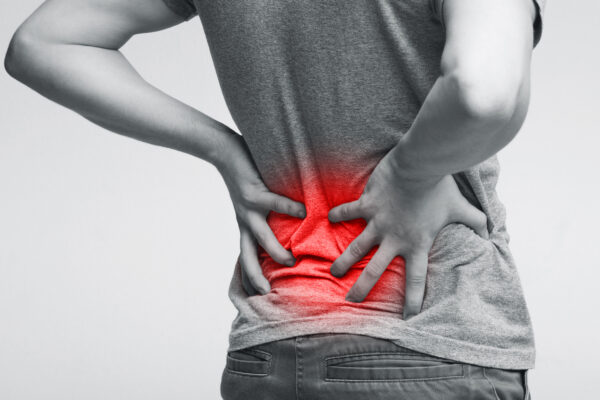
The treatment of chronic pain begins with a correct Algological diagnosis, i.e. a qualitative and quantitative assessment of pain.

Once the etiopathological cause of the pain has been identified, a therapeutic path will be set up and, if necessary, diagnostic investigations will be requested (diagnostic imaging and / or neurophysiological investigations).

Facet joint infiltration

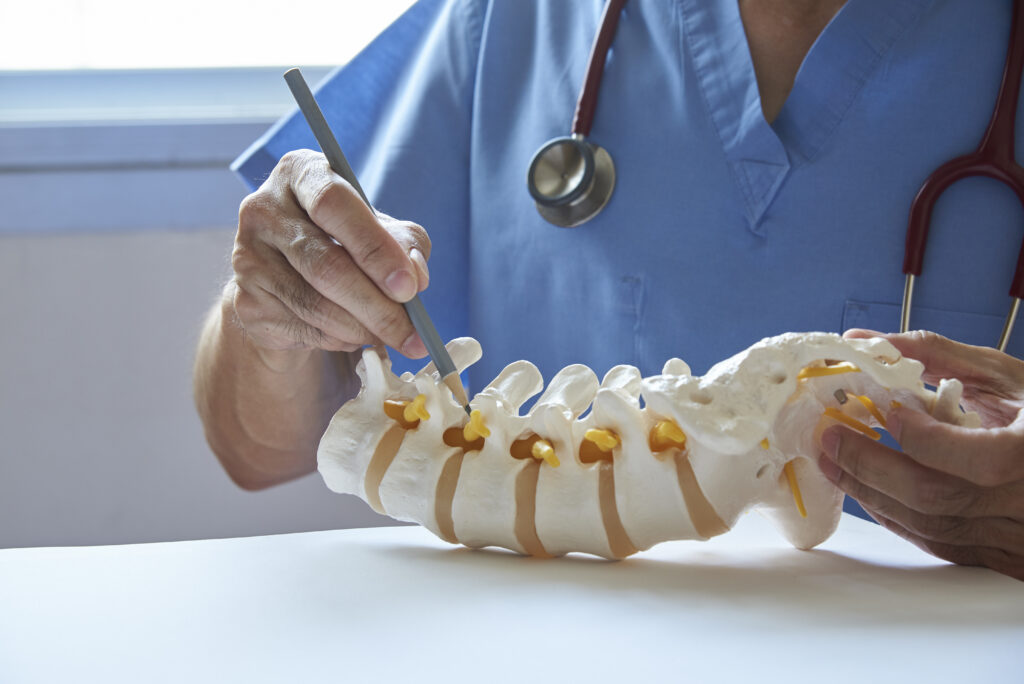
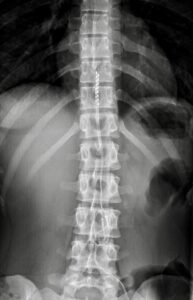
The facet joints are synovial joints and play a fundamental role in stabilizing the spine; they are responsible in about 15% of cases of low back pain, a percentage that rises to 30% in patients with laminectomy results.

The diagnostic / therapeutic approach to the medial branch or zygapophyseal joint is one of the most common procedures in pain therapy. Considered a low-risk procedure, it is the gold standard for detecting and treating a facet syndrome.

Epidural therapy

through the administration of drugs it acts at the level of the sensory nerve root affected by the pathological process.

The analgesic epidural is indicated in patients with cervical or lumbar radiculopathy resulting in a herniated disc. Once the affected intervertebral space has been identified, after injection of local anesthetic, the needle (Tuohy needle) is positioned and, once the epidural space has been identified, a cortisone and local anesthetic solution is injected. The peculiarity of this method, compared to perinervous infiltration, is that by passing inside the spinal column the drug can be positioned more precisely between the hernia and the root.

The insertion of the needle into the conjugation foramen, under fluoroscopic guidance, allows to reach the root affected by the pathological process. The target of the procedure is confirmed by the use of contrast liquid. The infiltration of the root with anti-inflammatory drugs, such as slow-release cortisone or ozone, allows the resolution of pain.

Nerve electrical neuromodulation

Among the electrical nerve neuromodulation techniques for the treatment of neuropathic pain there are:

Radiofrequency is a fluoroscopically guided, minimally invasive, percutaneous technique of nerve neuromodulation by heat and / or necrosis of the target tissue. The rationale for continuous radiofrequency is thermal injury to nociceptive input. Frequent field of application is in lumbar pain caused by arthrosis of the zygapophyseal joints. Pulsed radiofrequency avoids reaching harmful temperatures (42 °) with neuromodulatory mechanisms related to the exposure of the nervous tissue to a pulsating electric field and thus decreasing the painful sensation.

Percutaneous electrical neuromodulation is a method used for the treatment of peripheral neuropathies, occipital neuralgia and chronic post-surgical pain. Through one or more probes placed under local anesthesia just under the skin; a low voltage electric field alters the “damaged” state of the nerves, resulting in pain relief.

Medullary Neurostimulation or Spinal Cord Stimulation allows through percutaneous implantable systems such as electrodes and pulse generator (pacemaker), to create an electromagnetic field around the spinal cord, capable of interfering with the conduction of chronic neuropathic pain.

When is its use indicated?

  • Chronic pain
    Neuropathic pain
    Radiculopathy
    Complex regional syndrome (CRPS)
    Peripheral arteriopathies
    Angina pectoris

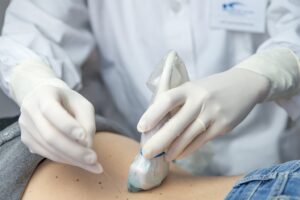
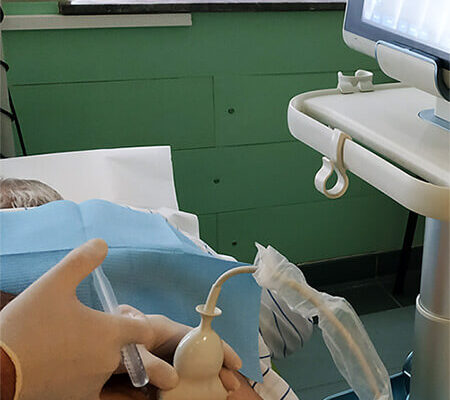
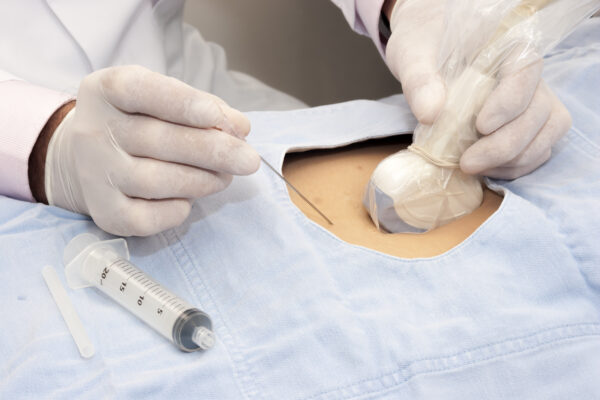
Ultrasound-guided infiltrative therapy

The infiltration allows through the injection of drugs with anti-inflammatory and / or lubricating activity to treat the painful pathology in relation to the shoulder, knee, hip and small joints;

The use of ultrasound allows you to identify the correct target.

The drugs most used in infiltrative therapy are: protein-rich plasma growth factors (PRP), cortisone, hyaluronic acid, oxygen-ozone and mesenchymal stem cells

useful in patients suffering from arthritic or rheumatic joint pain who do not respond to conservative therapies (drugs and / or physiotherapy), and where it is necessary to reduce inflammation or nourish the cartilage and synovium. The infiltration, carried out under ultrasound guidance for a precise visualization of the target, consists in the injection of drugs (with anti-inflammatory and / or lubricating activity) inside the joints (hip, knee, shoulder, lumbar and cervical facets, small joints of the hand and foot), in order to reduce painful symptoms.

Hyaluronic acid:

Hyaluronic acid is a substance naturally produced by the human body that can be found in the connective tissue of the skin, in the cartilage or in the tendons of the joints.

The synovial fluid of the joint cavities confers viscosity and prevents the bones from coming into contact with each other during movement, cushioning the blows that arrive at the joint.

Hyaluronic acid contributes to the lubrication mechanisms under load conditions and tries to protect the tissue from the penetration of inflammatory cells or lytic enzymes.

When due to aging or specific pathologies, hyaluronic acid does not regenerate after being metabolized and is missing, local injections can be used.

In joints affected by severe arthrosis, the inflammatory fluid is poor in both elasticity and viscosity and therefore the purpose of the intra-articular injection of hyaluronic acid, called viscosupplementation, is to restore the viscoelastic properties of the synovial fluid.

Hyaluronic acid stimulates anabolic activity with the production of new cartilage. The action on humans is anti-inflammatory and analgesic, the better the more the pathological situation is at the beginning.

The use of intra-articular therapy with hyaluronic acid is indicated in patients who have not responded to physiotherapy and / or pharmacological treatments.

In patients with neurogenic pain, caused by inflammation of the spinal roots or peripheral nerves (eg. Herniated disc), it allows pain relief by injecting (anti-inflammatory) drugs near the peripheral nerves or inflamed roots.

sotto guida ecografica, permette di ridurre la sintomatologia dolorosa grazie all’iniezione di farmaci con attività antinfiammatoria
Great Occipital Nerve (GON) Infiltration

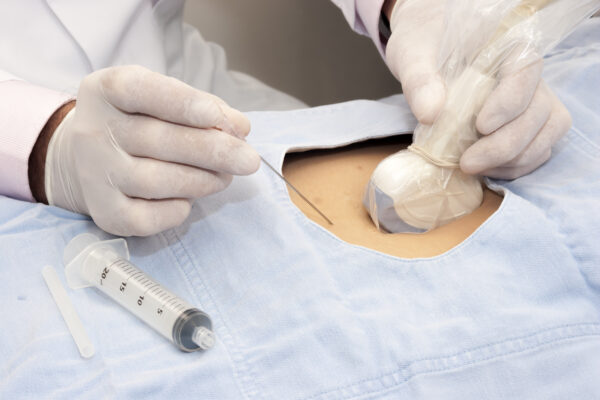
Neuralgia of the occipital nerve is characterized by pain in the area of ​​the large and small occipital nerves (in the nape of the neck up to the neck below, the top of the head above and laterally up to the auricles).

The most frequent causes are to be found in the often repeated traumas of the cervical region, or in degenerative-arthritic pathologies.

Occipital neuralgia is often confused with more common conditions such as muscle tension headache and migraine with which nuchal rigidity and photophobia can sometimes have in common.

Infiltrations with local anesthetic and possibly steroids can be beneficial, if this is short-lived it is recommended to resort to peripheral pulsed radiofrequency and possibly the implantation of cord neurostimulation systems.

Local infiltrative treatment can be facilitated by the use of ultrasound.

Sacroiliac joint infiltration

The sacroiliac joint connects the pelvis to the spine; it is considered the cause of back pain in patients with chronic low back pain in a variable percentage between 14% and 22% of cases.
Treatment is primarily conservative, based on physiotherapy and pain relieving / anti-inflammatory drugs.
In resistant cases, an effective approach is represented by intra-articular infiltrations, under ultrasound or fluoroscopic guidance, of slow-release cortisone.

In the forms due to mechanical instability, the benefit may be temporary, in these cases it is possible to resort to sensory denervation of the sacroiliac joint with radiofrequency (RF) which can give a constant and lasting remission of pain.

Regenerative Medicine protein rich plasma (PRP) and mesenchymal stem cells

Regenerative medicine is a particular branch of medicine, which aims to repair cells, tissues and organs, not through replacement, as usually happens, but through the use of advanced cell regeneration techniques; representing a new therapeutic perspective against osteoarthritis, which works over time.

Chronic-degenerative joint diseases, such as arthrosis, have a strong social impact and occur when cartilage health, the joint’s natural cushioning system, is compromised. Without this tissue, over time the bones can come into contact with each other causing:

  • Ache
  • Rigidity
  • Loss of flexibility

Arthrosis, in particular, is the most common of all joint pathologies in the world and begins asymptomatically in 10% of the adult population and worsens after 60 years of age.

Against arthrosis today, regenerative medicine gives new hope for cartilage treatment in the early stages of degeneration.

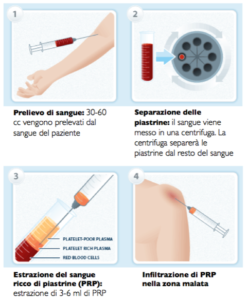
Platelet Rich Plasma (PRP) or platelet gel is an autologous preparation, that is a preparation that is obtained through a blood sample from the patient himself, which is then centrifuged to separate the components rich in platelets, freeing them from impurities. The preparation is injected with a needle directly where it is needed, in this case on the joint surfaces; the large amount of platelets present makes it effective in stimulating the growth of new cartilage cells, which will replace the deteriorated ones.

Responsible for these reparative processes are the so-called platelet growth factors (PDGF, TGF-β, IGF I / II, FGBF, EGF); the objective of the production of PRP is to obtain a gel in which the concentration of platelets is very high, equal to 95%. Therefore PRP turns out to be a substance very rich in platelet growth factors.

Scientific studies have shown that the increased concentration of growth factors in the PRP can potentially speed up the healing process if injected into the injured area.

Examples:

– in Achilles tendonitis, (common in runners and tennis players), the heel cord can become swollen, inflamed, and painful.

– Excellent results in the treatment of II degree meniscal lesions (which do not come to violate the tibial and femoral articular surfaces) through the intrameniscal infiltration of PRP.

– In the case of initial chondropathy (with multiple joints), the infiltration with platelet gel seems to slow down the cartilage malacia process, while in the advanced stages it reduces the painful symptoms.

The Mesenchymal Stem Cells Therapy is based on the same mechanism of autologous sampling and subsequent infiltration by needle, but the sampling that is carried out is a small liposuction, and the tissue that is then infiltrated is therefore of an adipose nature.

This procedure has advantages and disadvantages compared to that with PRP, the most evident of which is the greater invasiveness: liposuction is in fact a surgical procedure, which even if short and simple must be performed in the operating room.

Mesenchymal stem cells that are extracted by liposuction have a greater intrinsic regenerative potential and are therefore slightly more suitable for use in elderly people; furthermore, the different nature of the two materials (the first oily-like consistency, the second grease) recommend their application in different situations, including from an anatomical point of view.

Oxygen – Ozone therapy

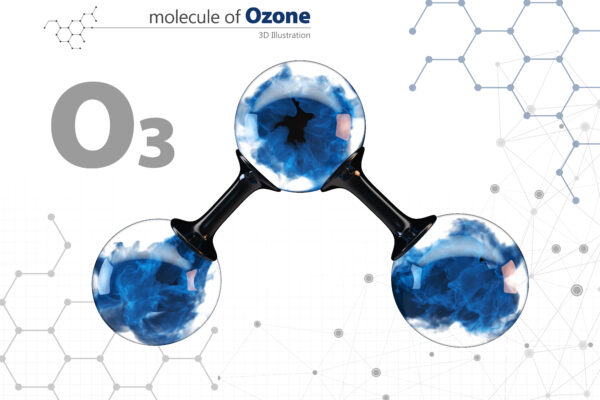
Ozone is a natural gas, each of its molecules is composed of three oxygen atoms O3 and has long been used in the treatment of herniated discs (cervical, dorsal or lumbar), gathering an ever-increasing number of consents thanks to its effectiveness and the absence of side effects.

The biological effects of ozone are numerous: anti-inflammatory, anti-edema, pain reliever, antibacterial, antiviral, dehydrating the intervertebral nucleus pulposus, healing and immunomodulating.

After a few weeks of treatment, ozone-oxygen therapy induces dehydration of the tissue and a decrease in the volume of the hernia, which eliminates the compression on the nerve roots with consequent reduction of pain.

The therapy is based on the use of a gaseous mixture of oxygen and nitrogen injected into the area surrounding the hernia, in order to stimulate the healing process.

The treatment of oxygen-ozone therapy can take place through intraforaminal technique or through paravertebral infiltration.

the intervertebral foramen is accessed through the skin through a thin needle and the gas is administered.

it takes place by intramuscular injection in the lumbar paraspinal muscles. The paravertebral infiltration, on the other hand, acts as an anti-inflammatory therapy at a local level.

  • gestation
  • hyperthyroidism
  • hemopathies
  • impaired blood clotting
  • cardiac decompensation
  • favism